


Choosing the Right Battery Chemistry
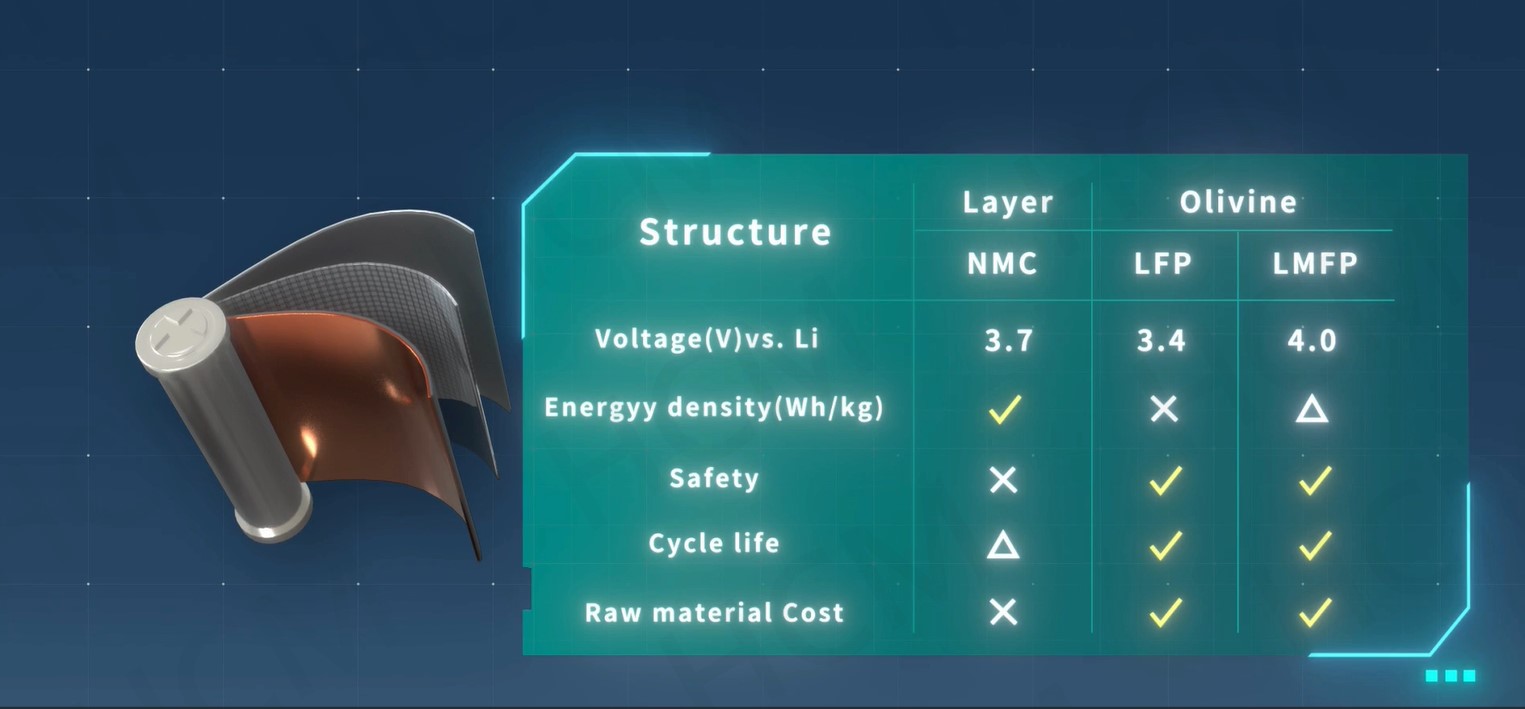
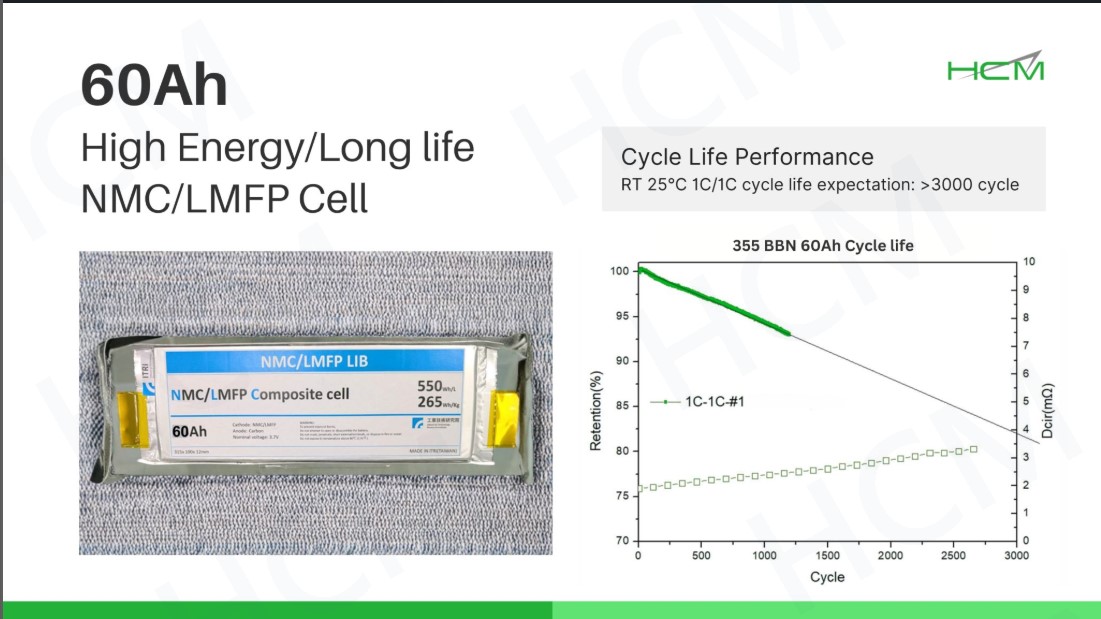
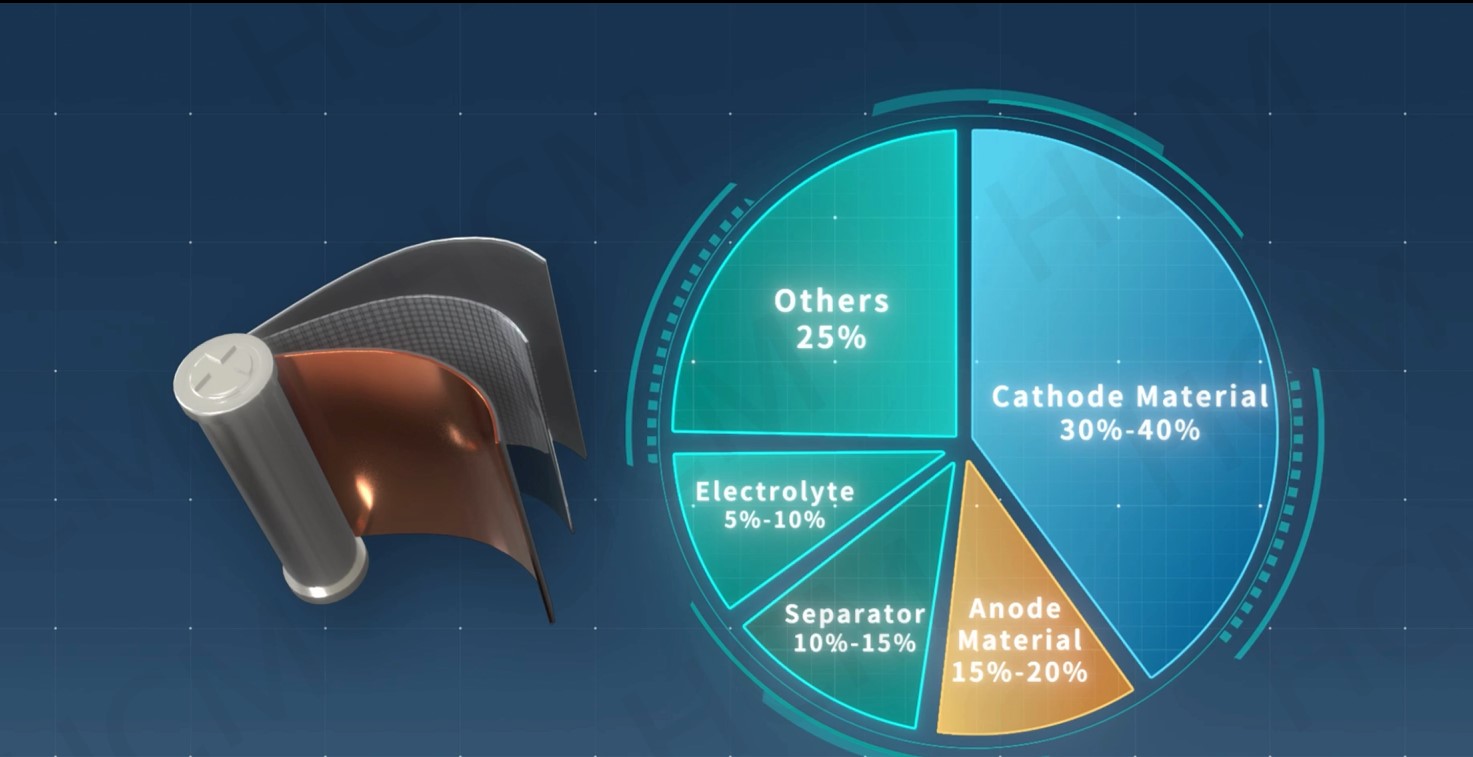
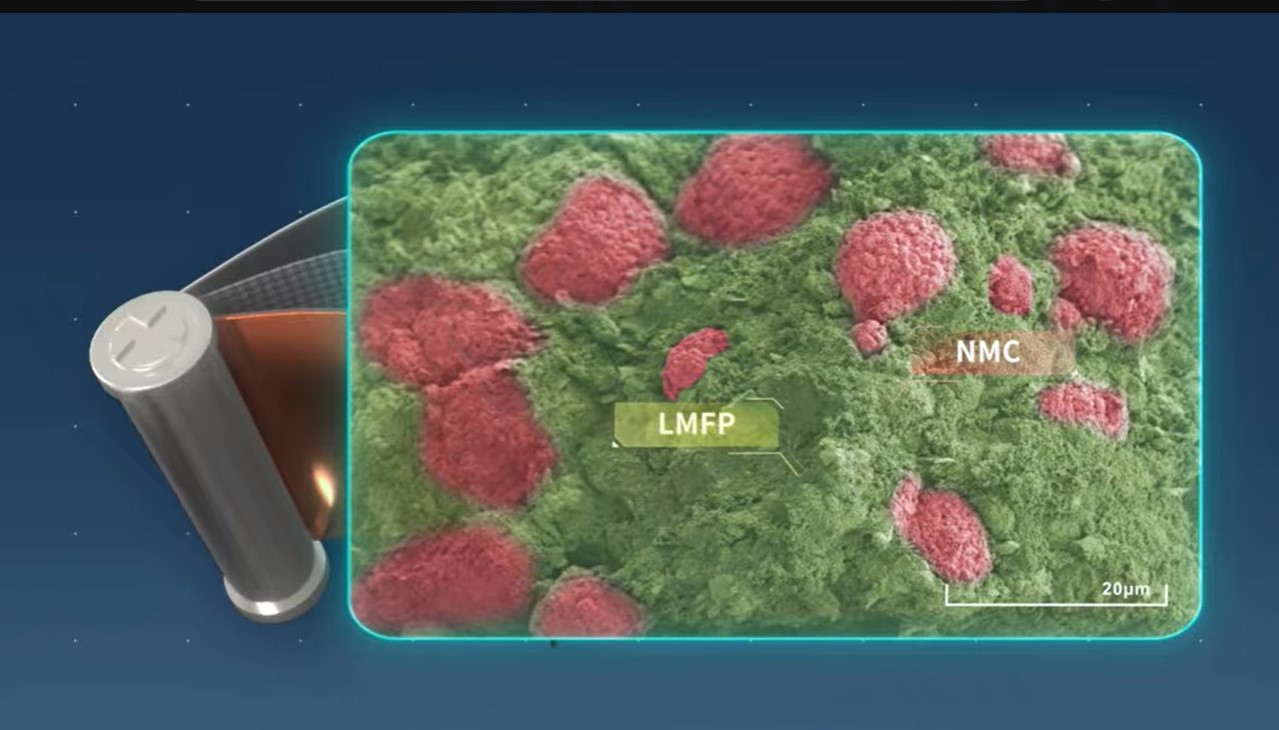
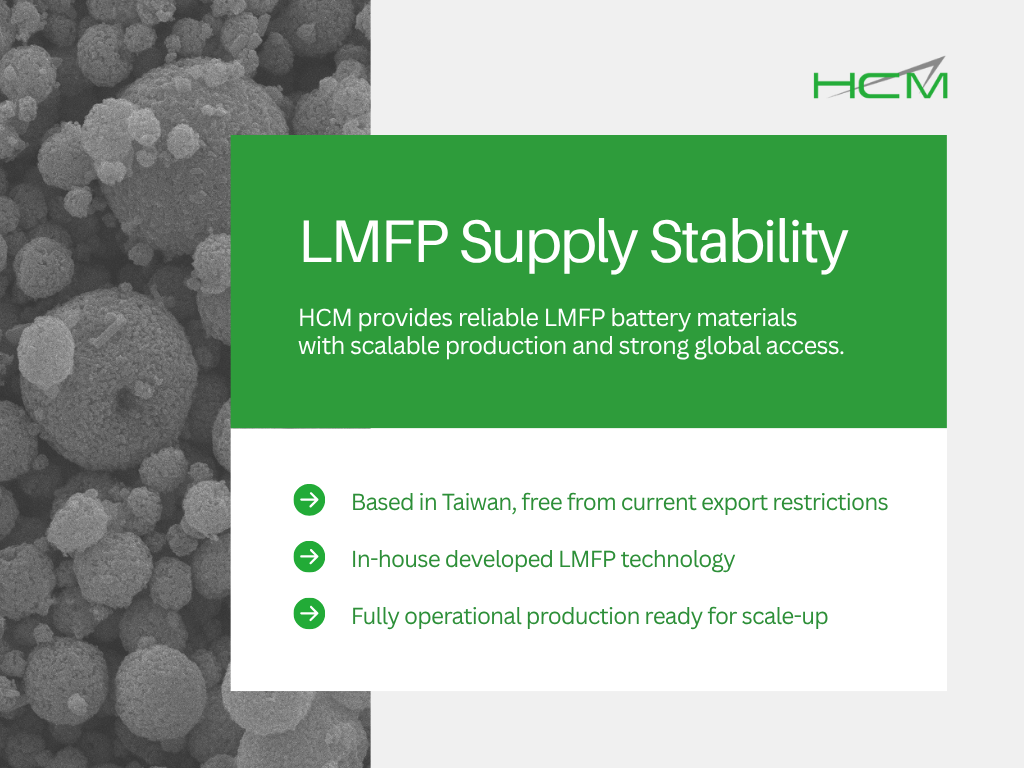
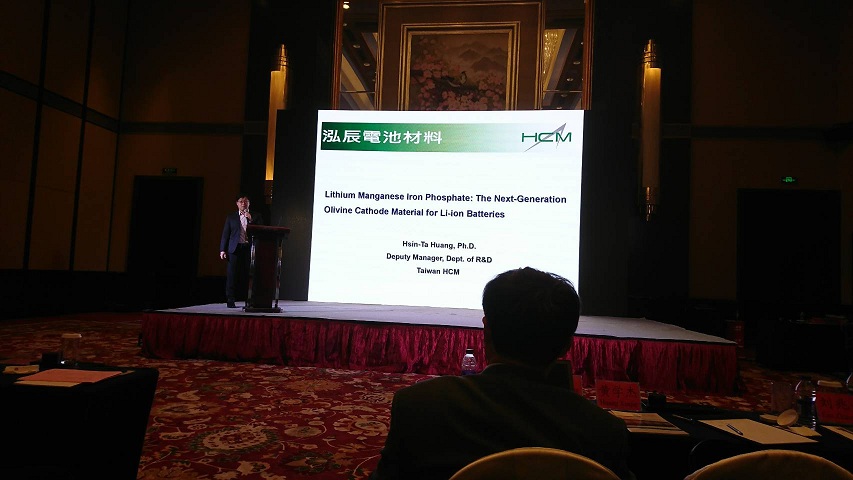
As the demand for safer, longer lasting, and higher performing batteries accelerates, understanding the differences between key cathode materials becomes essential. Lithium Manganese Iron Phosphate (#LMFP) is widely recognized as a next generation material that bridges the gap between today’s leading chemistries, LFP and NMC.
Let’s take a closer look!
1️⃣ LFP (Lithium Iron Phosphate)
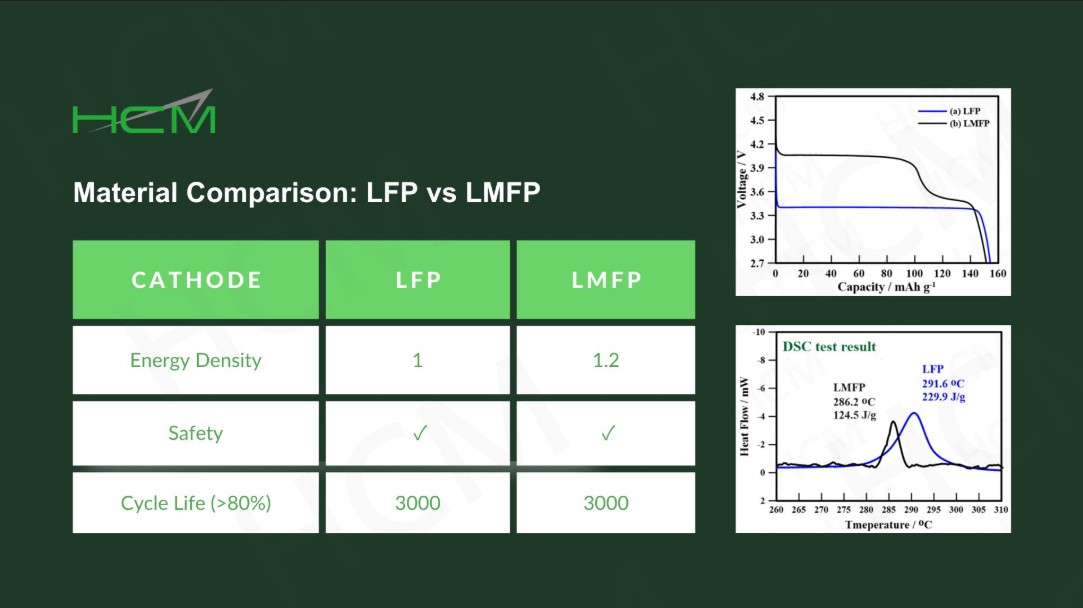
LFP features an olivine crystal structure, which provides excellent thermal stability and long cycle life. However, its lower voltage output limits overall energy density, creating a tradeoff between safety and performance.
2️⃣ NMC (Nickel Manganese Cobalt Oxide)
NMC has a layered structure, enabling high energy density but at the cost of stability. In the animation, you can see how the layered structure of NMC changes during charge and discharge, which leads to shorter cycle life, and a higher risk of thermal events.
3️⃣ LMFP (Lithium Manganese Iron Phosphate)
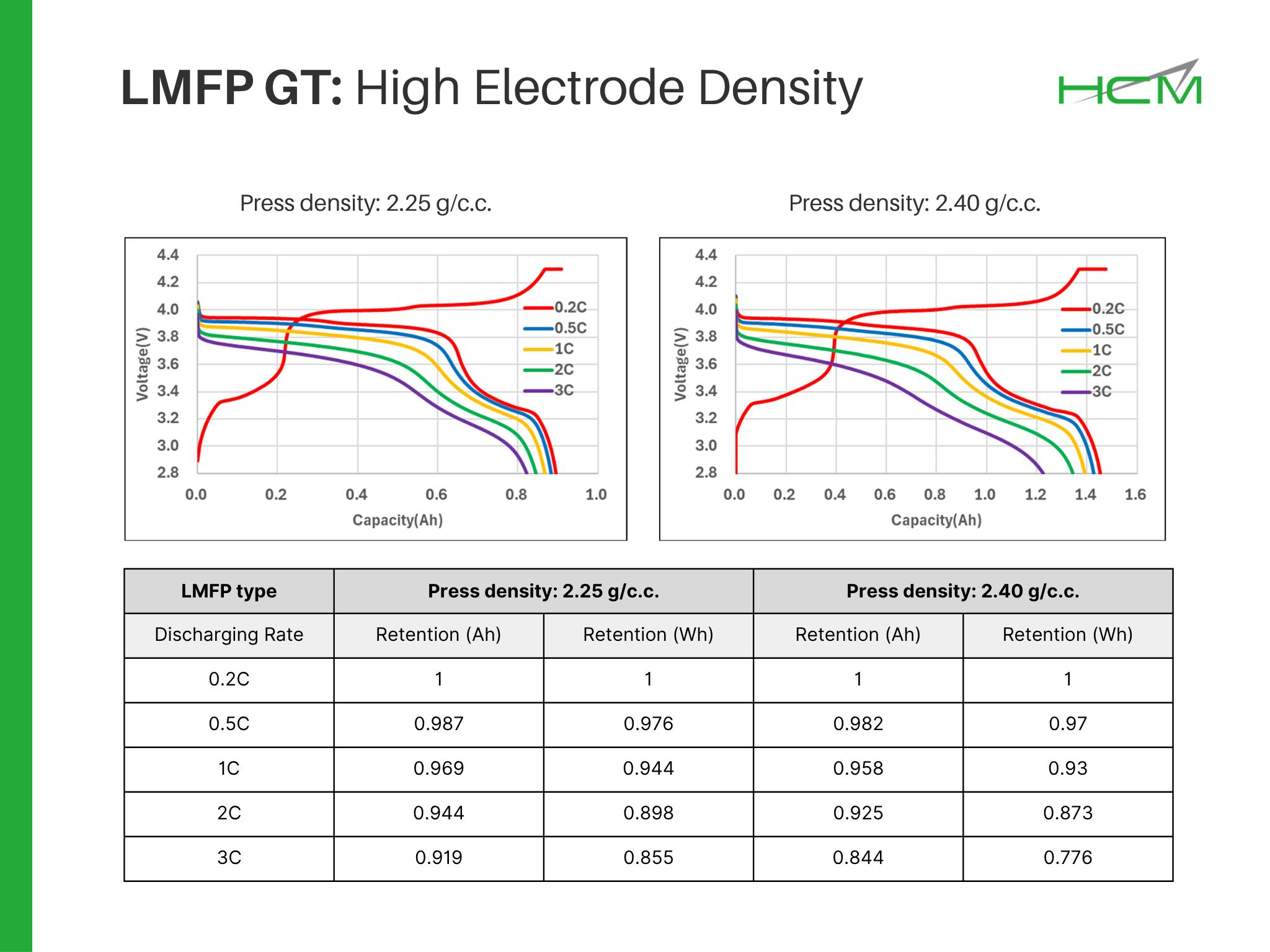
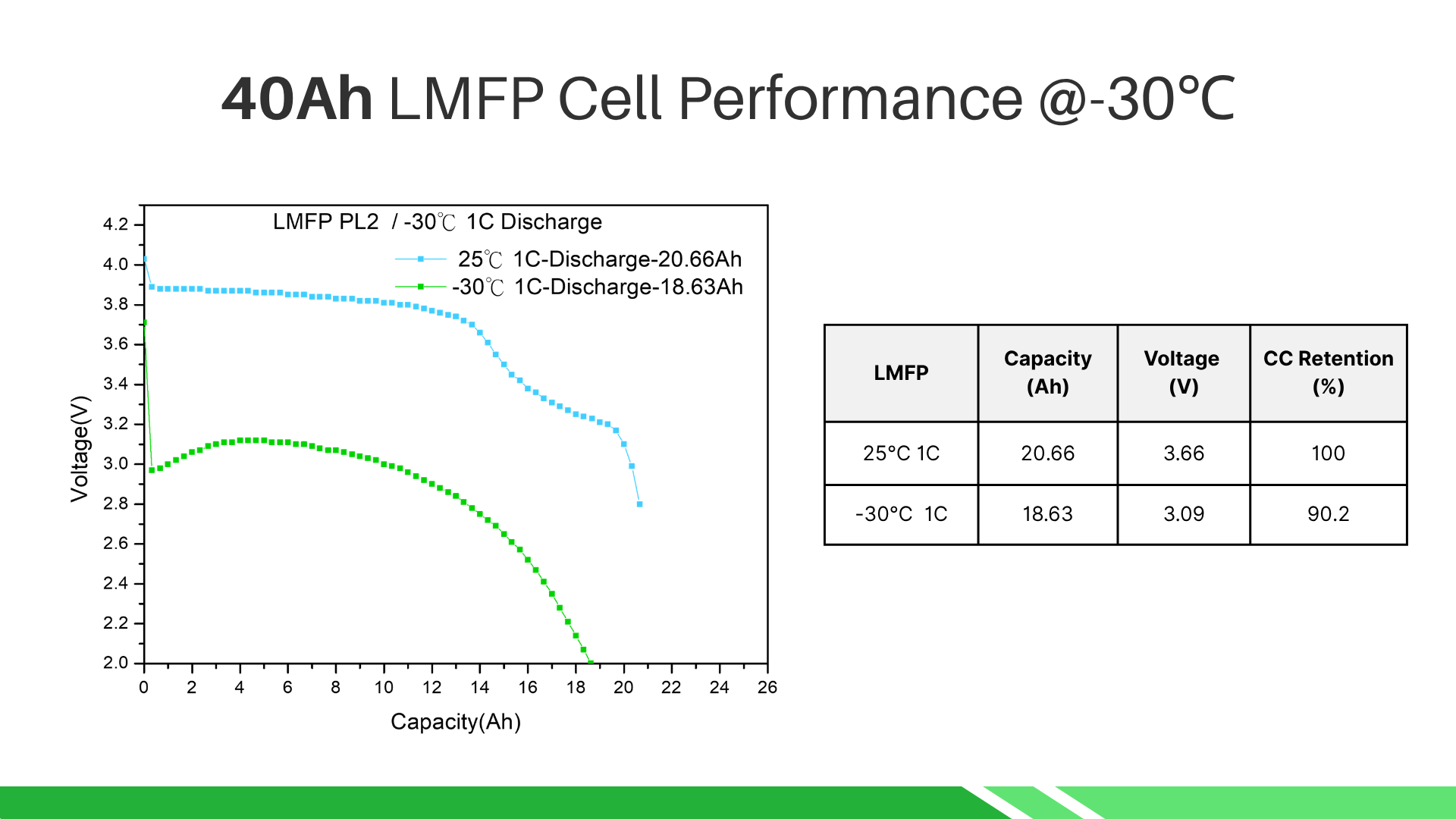
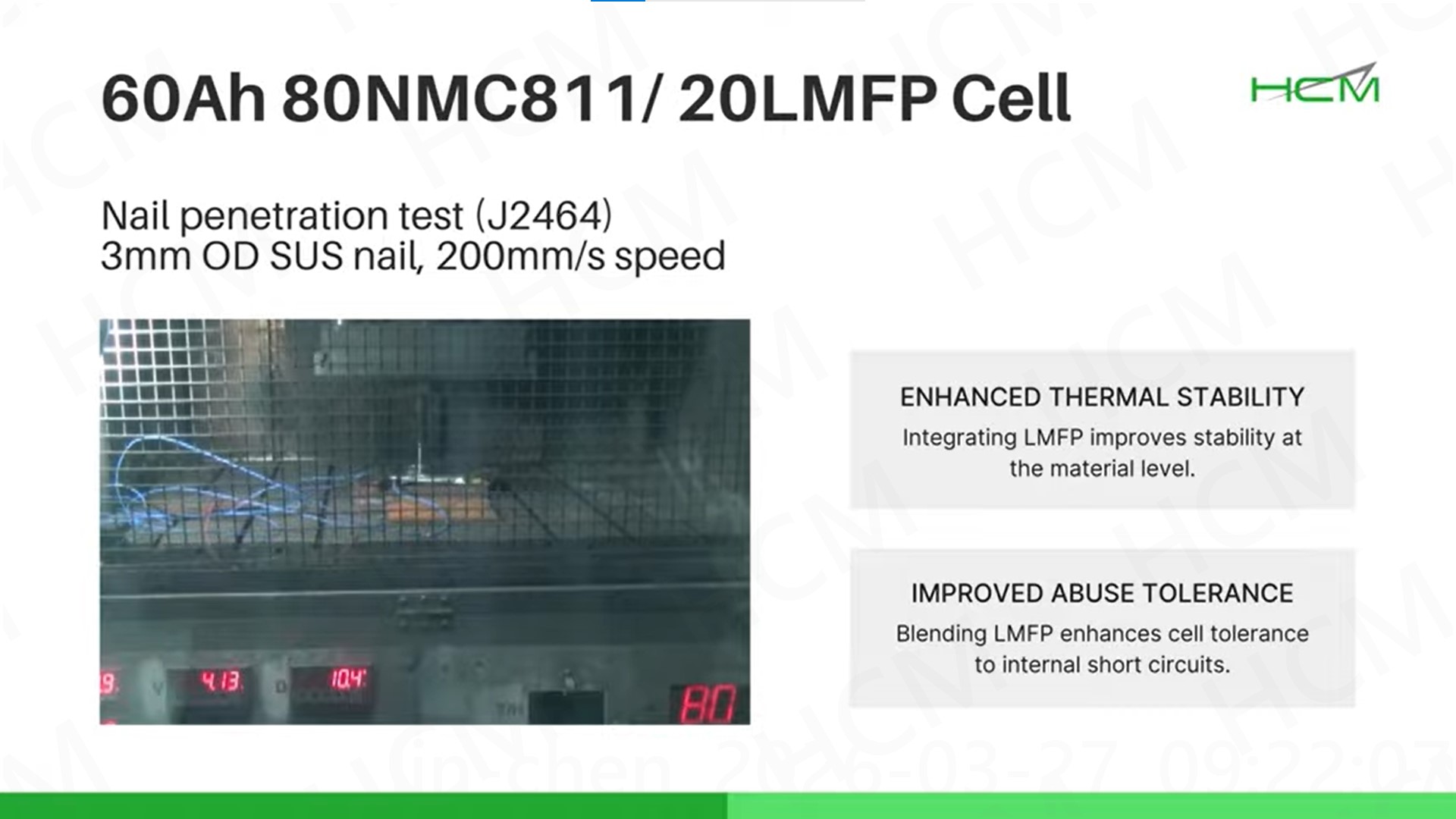
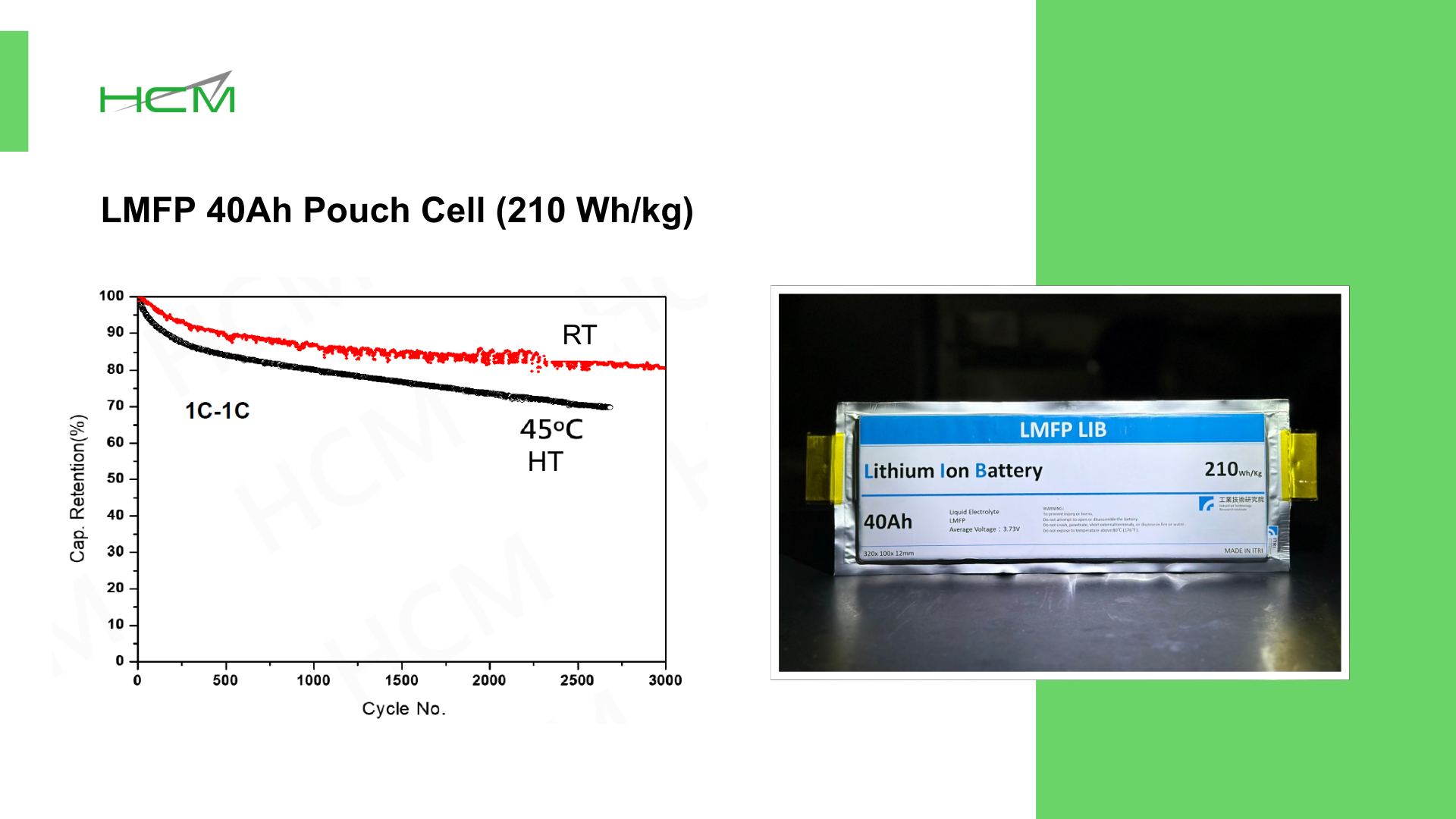
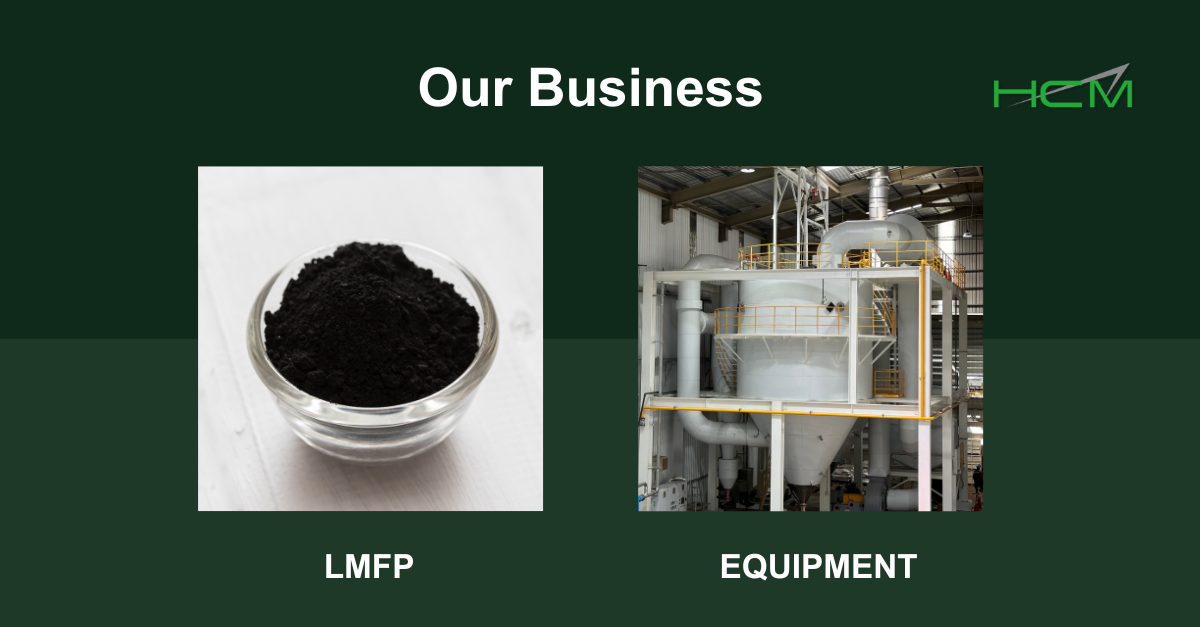
LMFP shares the olivine structure of LFP, meaning safety and durability are inherent. With added manganese, it delivers higher voltage and therefore greater energy density. This makes LMFP a compelling alternative for applications demanding both performance and reliability.
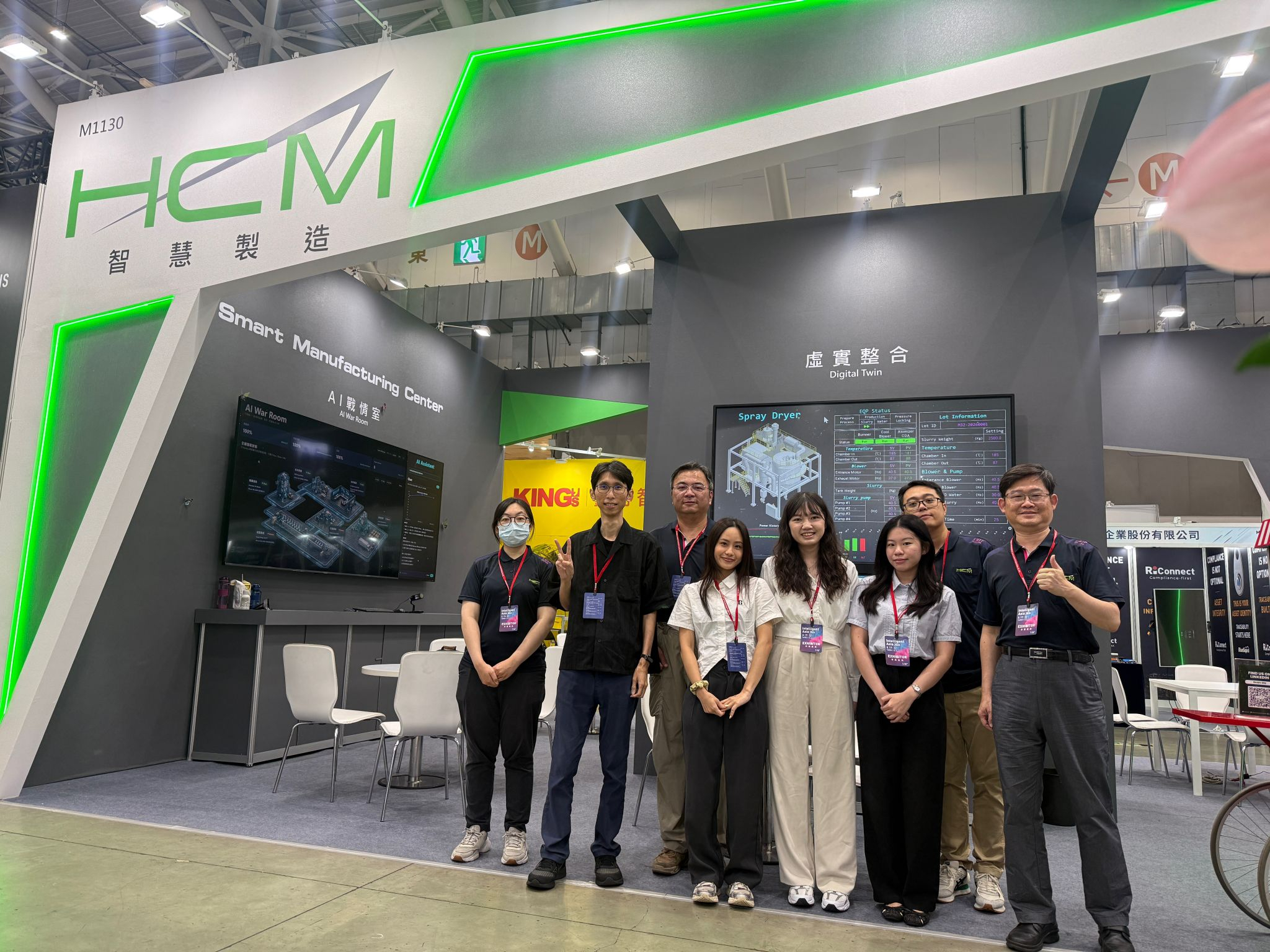
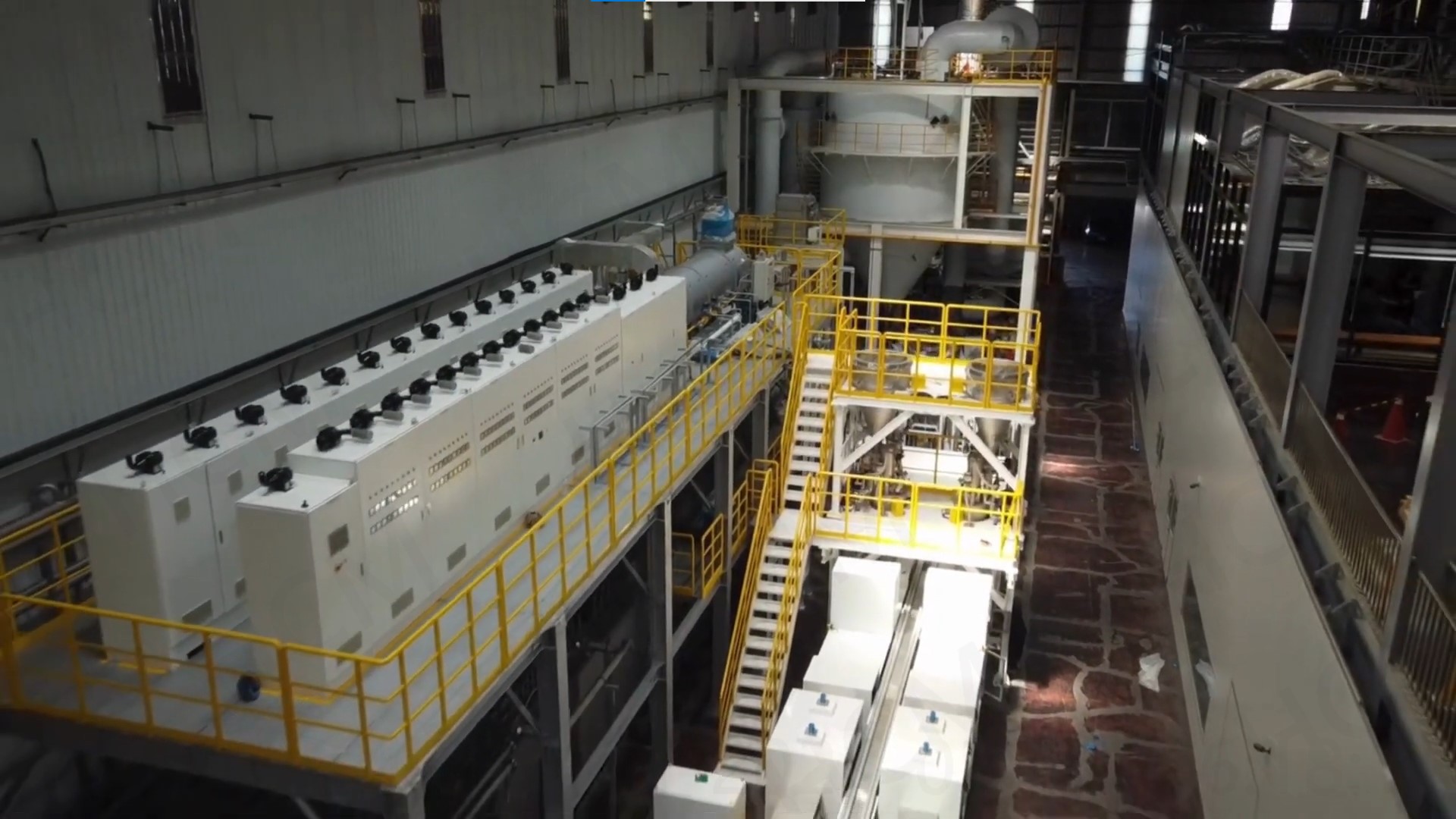
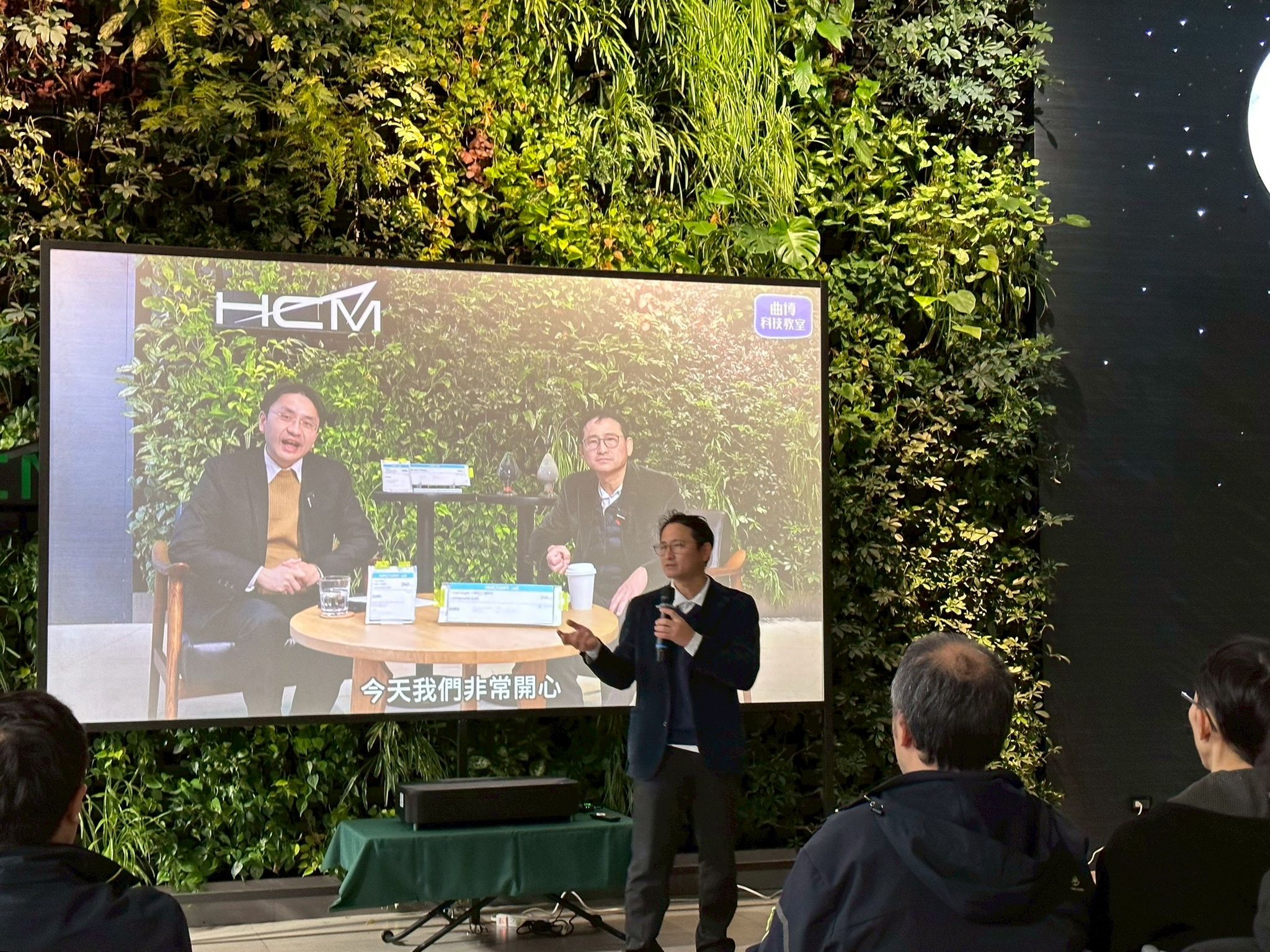
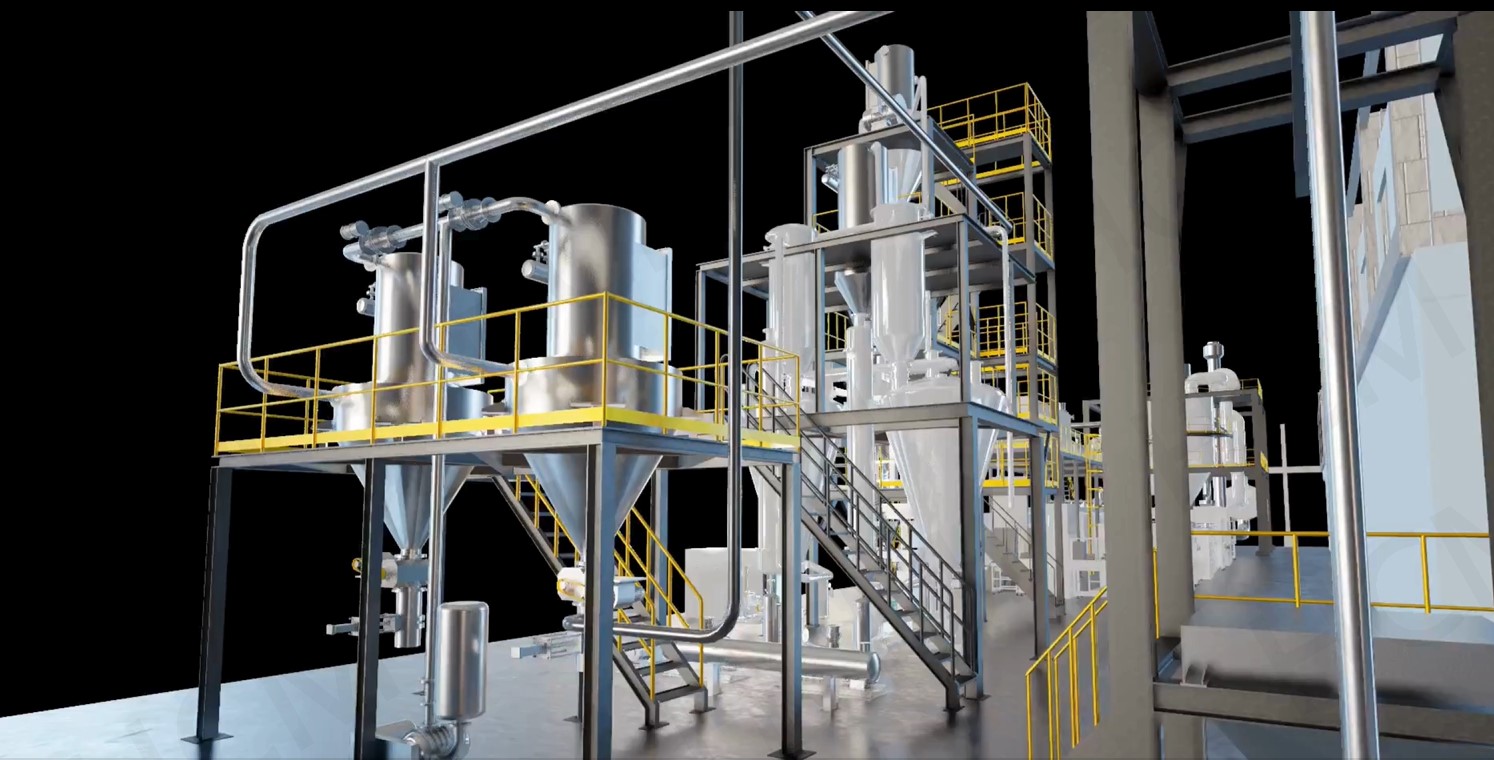
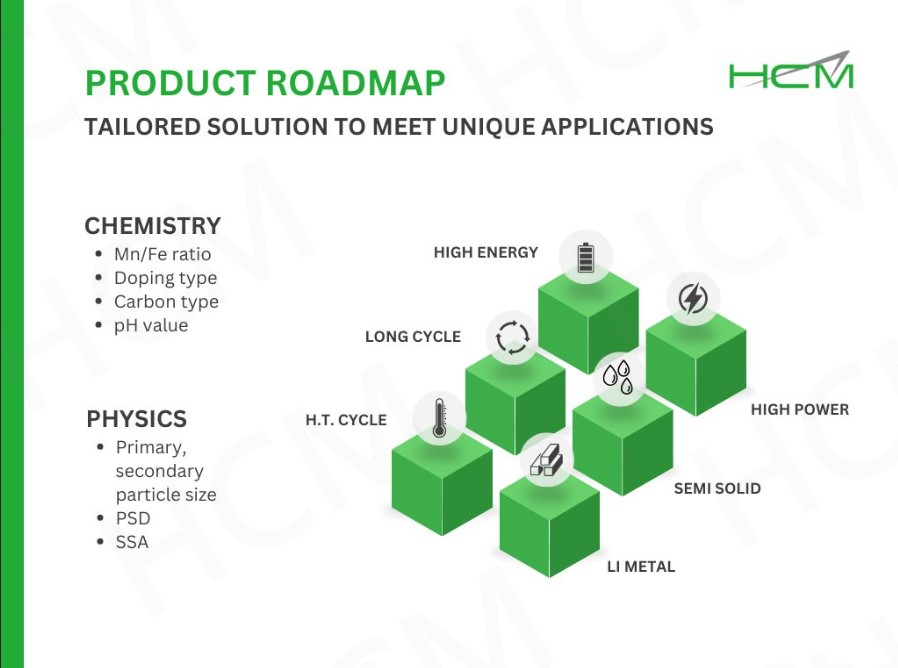
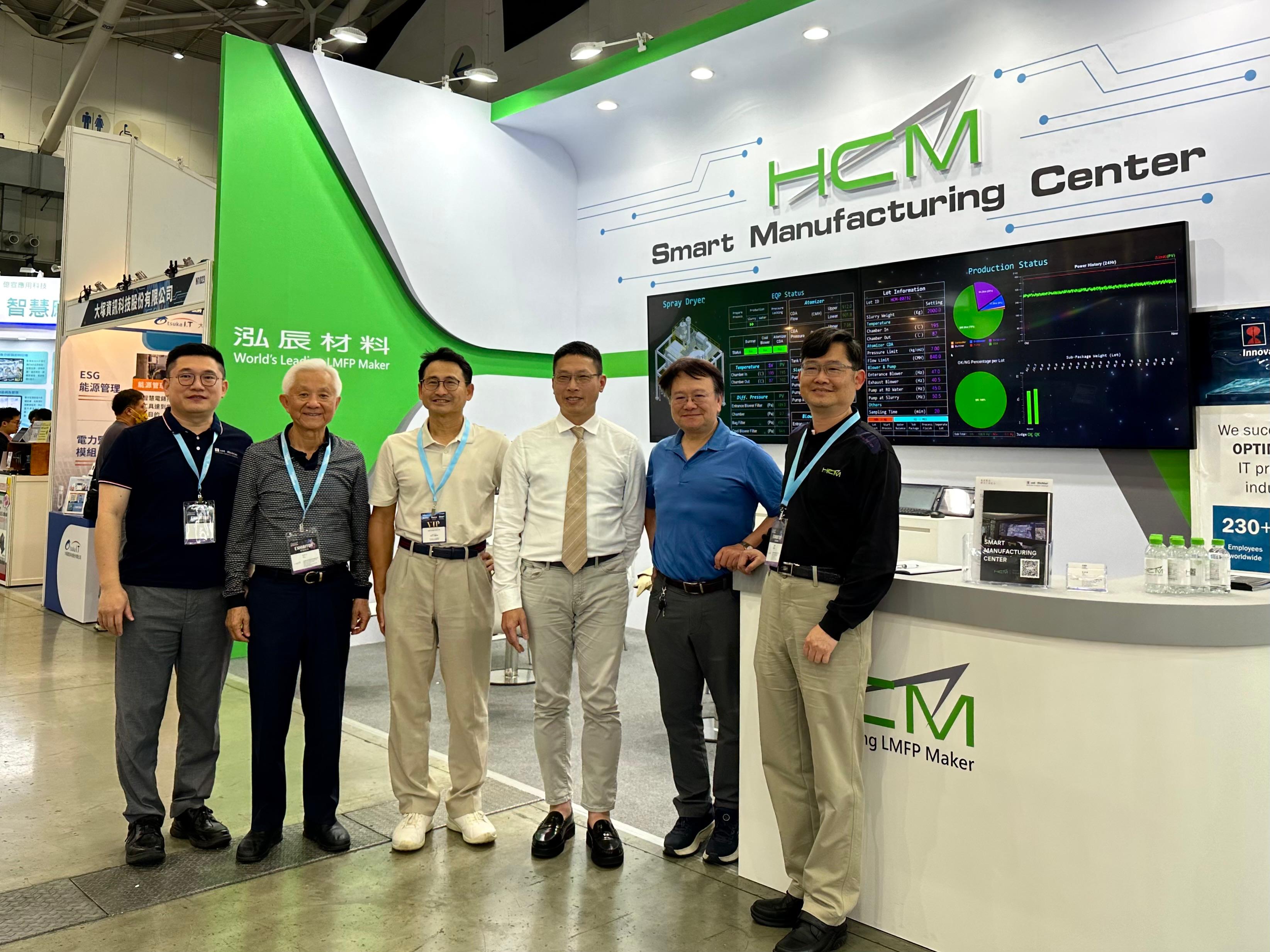
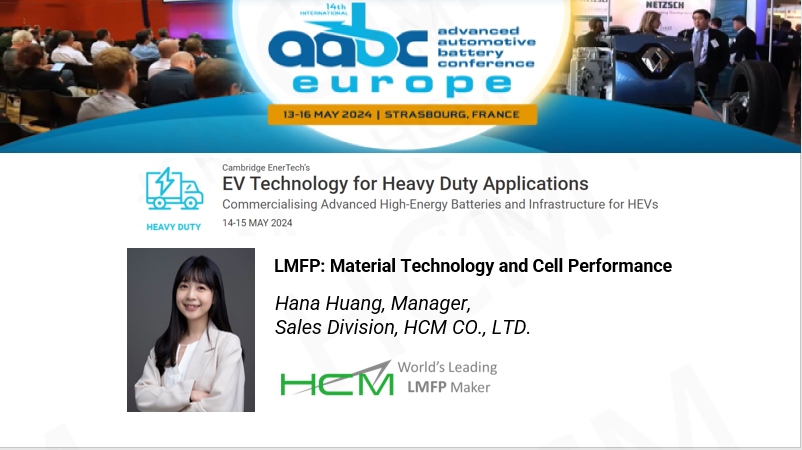
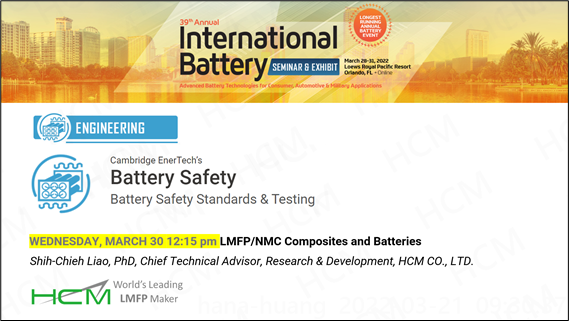
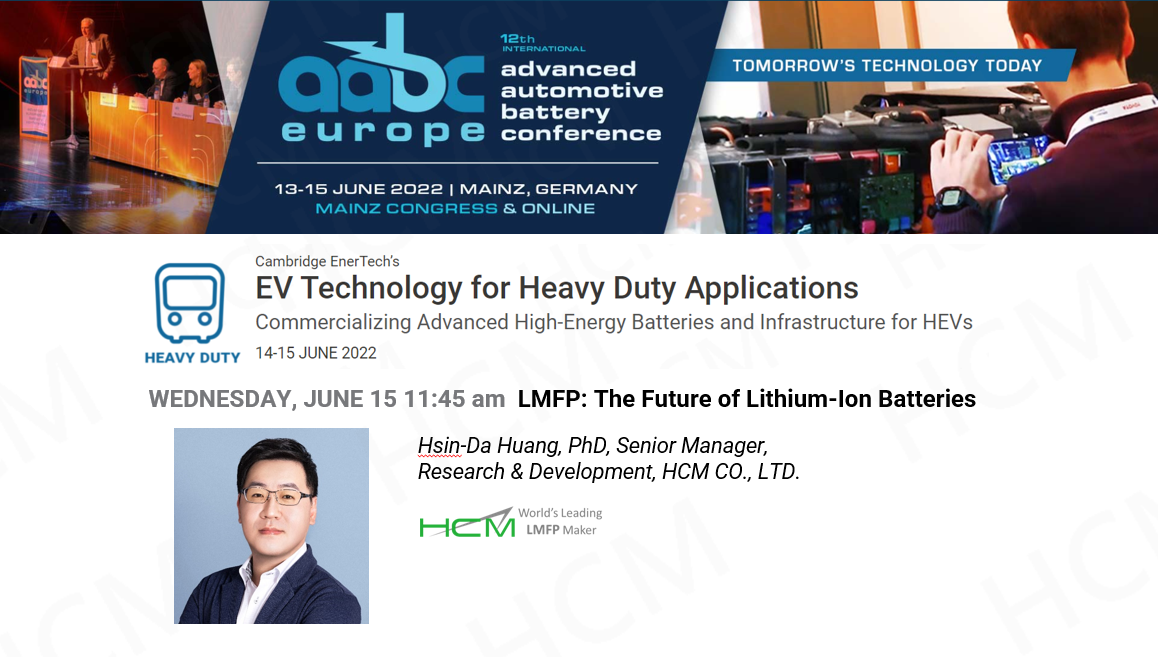
At HCM CO., LTD., we are proud to be advancing LMFP technology from Taiwan, combining material innovation with manufacturing precision to power the next era of safer, more sustainable energy.
#BatteryMaterials #LMFP #LFP #NMC #EnergyStorage #EVBatteries #BatterySafety #HCM #TaiwanInnovation